







Applications for Ohio Farm Bureau Health Plans now available
Members have three ways to apply: contacting a certified agent, calling 833-468-4280 or visiting ohiofarmbureauhealthplans.org.
Read More


Members have three ways to apply: contacting a certified agent, calling 833-468-4280 or visiting ohiofarmbureauhealthplans.org.
Read More
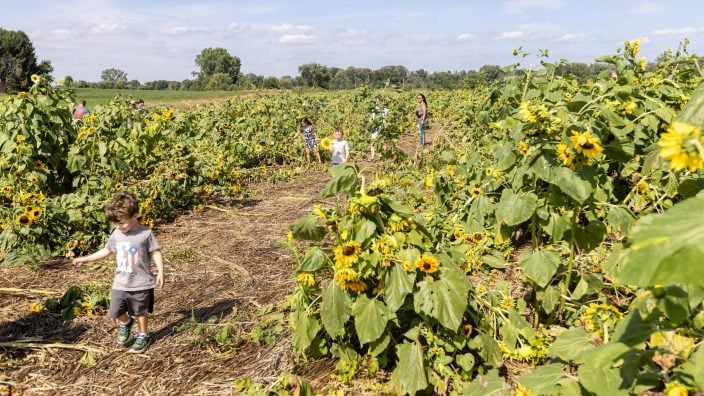
The online application period is open now, until June 30, for those who would like to apply to be featured on the America 250-Ohio Agritourism Trail.
Read More
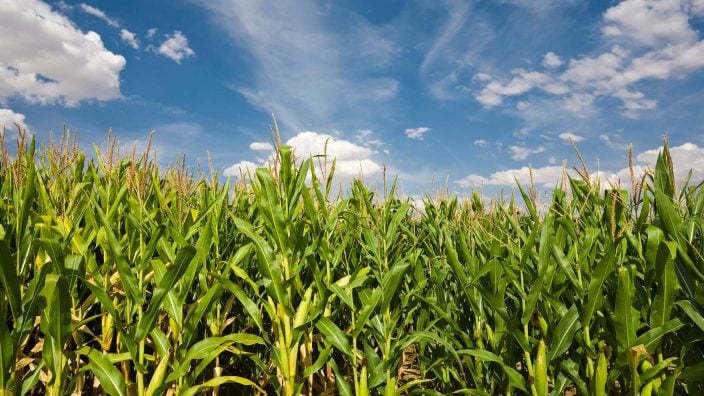
Ohio Farm Bureau testified in support of House Bill 773, legislation that would allow Ohio Turnpike travel plazas to offer E15.
Read More
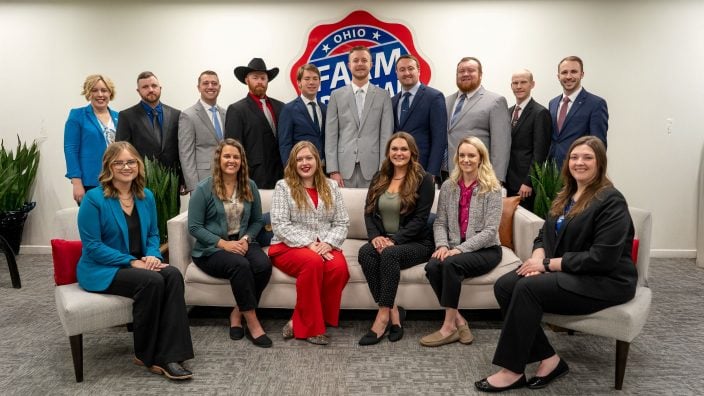
Ohio Farm Bureau is accepting applications for AgriPOWER Class XVII, its leadership and advocacy development program. Application deadline is Aug. 1, 2026.
Read More
Annually, the foundation recognizes Ohio students for their academic effort, community engagement and career interests that link agriculture to community service, education or scientific research.
Read More
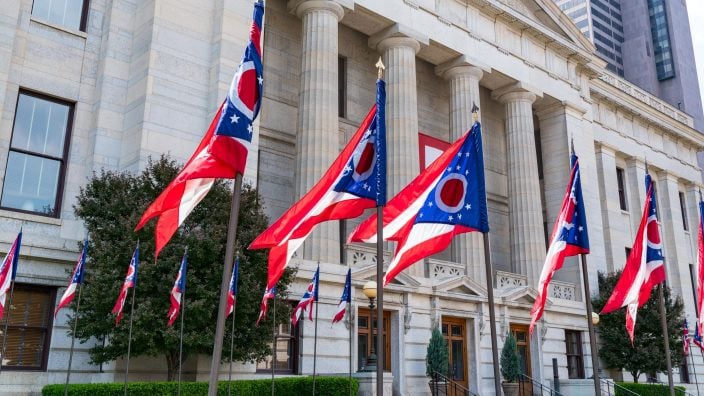
Gov. Mike DeWine’s recent decision to pause consideration of any new data center tax exemption requests, through the Ohio Tax Credit Authority, comes as the Ohio General Assembly’s Joint Data Center Study Committee looks at the growth of data centers in Ohio.
Read More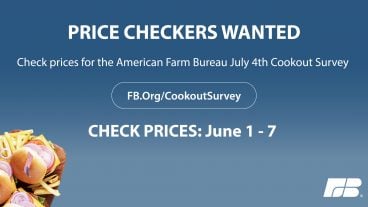
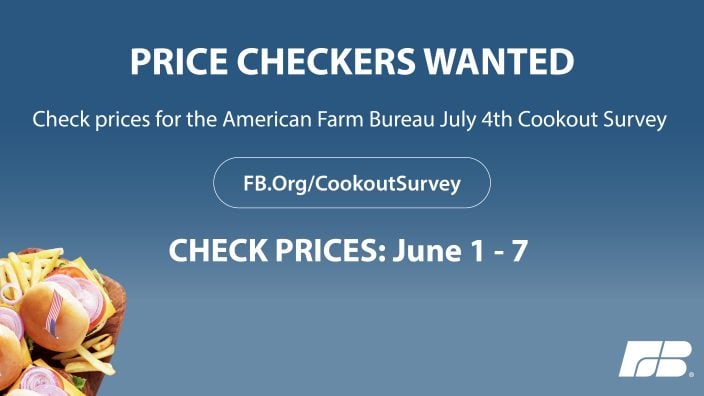
Farm Bureau members are invited to participate June 1-7 in American Farm Bureau’s Summer Cookout Survey of retail food prices commonly used to prepare a cookout meal for 10 people.
Read More
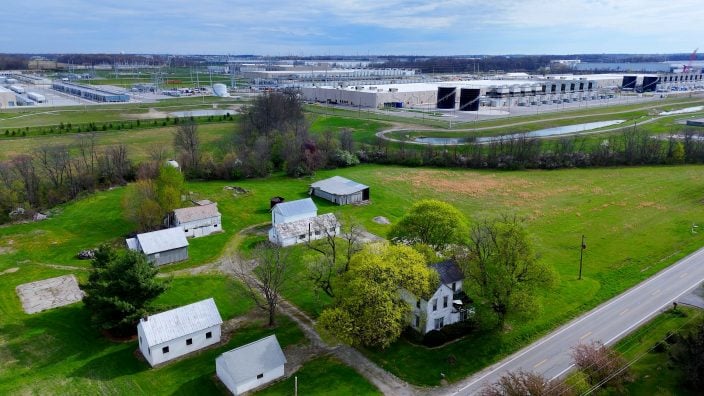
Ohio’s electric distribution cooperatives will continue to support local economic growth, and that includes data centers that locate within their territories, but they’re committed to ensuring that growth does not come at the expense of current members.
Read More
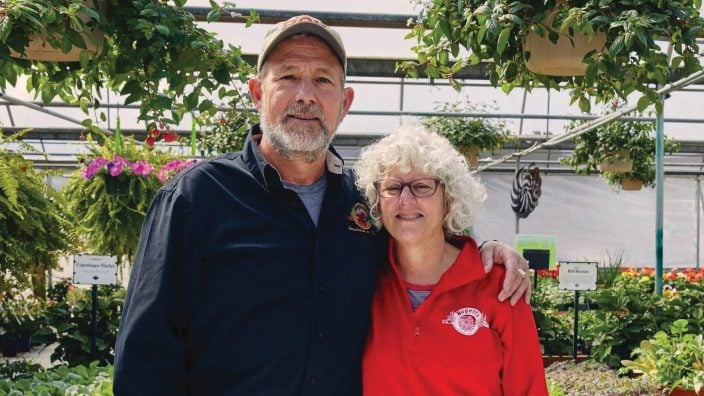
Industry professionals, community members, and golf enthusiasts are invited to take part in the 2026 Ohio Farm Bureau Foundation Golf Invitational June 22 at Pinnacle Golf Club in Grove City.
Read More
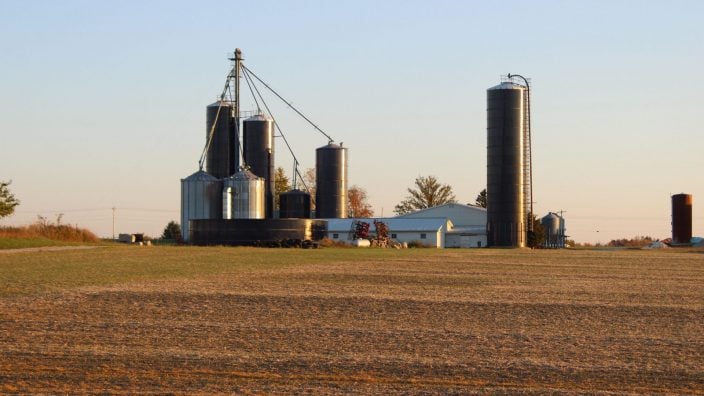
Growing our Generation e-newsletter features insights and ideas directly from Ohio’s young farmers and agricultural professionals. Sign up to get…
Read More